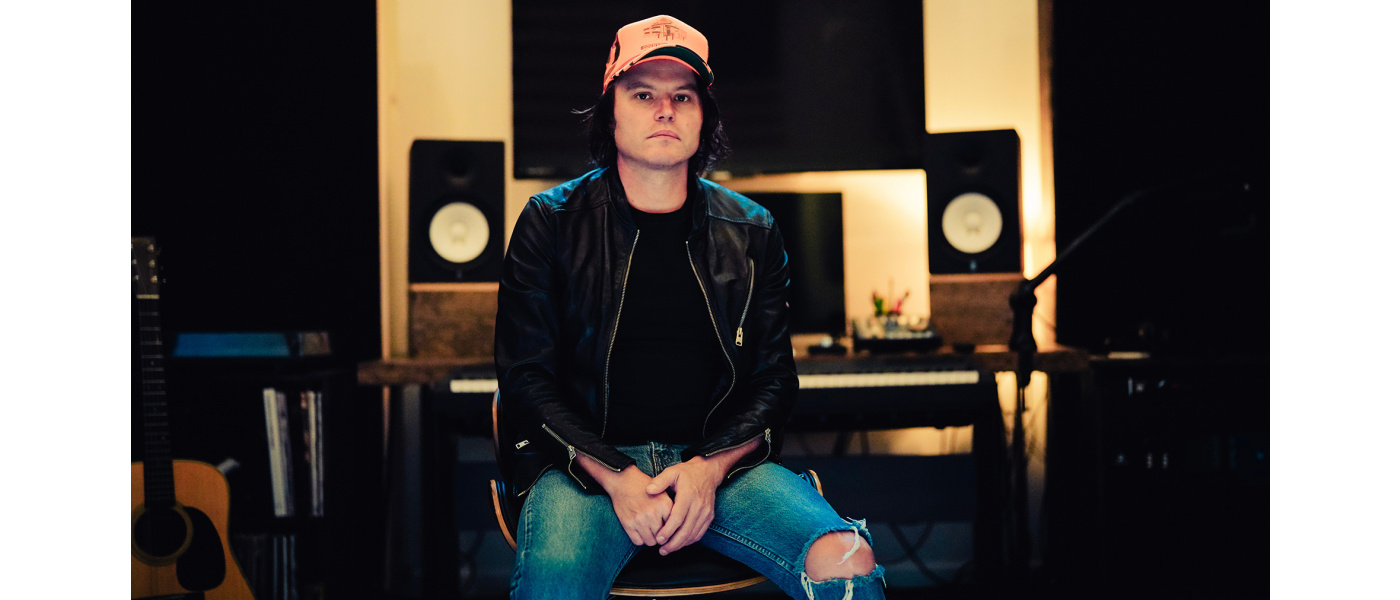
“The A231 has a very flat frequency response without sounding dull, but it’s not overly bright either. It’s a well-balanced natural sounding condenser!”
In today’s pop-friendly country music, it can be hard to tell one squeaky-clean artist from the next. That’s exactly why Tennessee Jet is such a breath of fresh air. His music achieves a paradoxical aesthetic: Carrying the outlaw-country torch of such artists as Merle Haggard, Waylon Jennings, and even Hank Williams Sr., while tastefully infusing elements of modern rock and grunge without pandering to tropes. His lyrical narratives are never contrived, sometimes political, and always riveting to the final line. A longtime user of AUDIX microphones, he sings into an for full-band performances or a handheld condenser for more intimate shows. In the studio, an large-diaphragm condenser is his vocal choice, alongside the versatile in vocal and instrumental applications, and the i5 and D6 playing supporting roles. As much of an audio perfectionist as he is a country iconoclast, Jet poke with AUDIX about his musical roots, creative influences, and recording process.
What’s your musical background like?
Both my parents rodeo’d. My dad rode broncos, and my mom was a barrel racer. I rode around with them in the truck from rodeo to rodeo, and they were always listening to classic country music — Waylon Jennings and Willie Nelson and George Strait and artists like them. That’s the first music I remember hearing. But I also love rock, blues, Americana, folk music, and a lot of ’90s grunge. You can hear that influence in the song “Johnny,” which is kind of like Nirvana gone country.
How and when did you first pick up an instrument?
I was a baseball player growing up, and it was my dream. But I always played guitar and made-up songs in my room. When I was a kid, it was obvious how to sign up for Little League, but not so obvious how you’d “sign up” for being in a country band, recording, and playing gigs. Around college, I started realizing that music was more my path, and it became my priority.
How did you find yourself in Nashville?
I grew up in Oklahoma. I’ve lived in a few different places as a musician — Los Angeles for a couple years. Then I moved to Nashville for a few years, because it’s the place to be. All the best singers, songwriters, and session players were there. It's just so rich in talent. Sometimes you have to be present to win, and if you wanna be in the right place at the right time you may have to move around a bit.
The storytelling in your songs has a literary quality. It reminds one of songwriters like Tom Waits on one hand, but on the other, authors like … Charles Bukowski? Is there intention behind that?
I’m glad that comes through, and it’s funny you mentioned Bukowski because I wrote a song with my friend Cody Jinks that borrows his line, “Find what you love and let it kill you.” I’m probably influenced just as much by literature and cinema as I am by other musical artists. I kind of approach making a record like a director making a movie, and you have different levels of movies, right? I recorded a solo acoustic album during the lockdown called “South Dakota” that would be like an indie film — small budget and cast. Then, my album The Country is more like a big-budget movie where I went into the studio with a full band and bigger production.
Keeping with the movie and book influences, are there any directors or novelists you’d call out in particular?
Kubrick, for sure, and I just love spaghetti westerns, Sergio Leone with an Ennio Morricone score. For authors, John Steinbeck is probably my favorite. He has a way of describing things that really resonates with me.
How did AUDIX microphones first get invited onstage with you?
I’ve always used an OM5 live as my vocal mic.There’s a lot to like about it and AUDIX in general. The build quality is excellent, and they look good onstage, but most importantly, they sound amazing! With the OM5, I can turn my monitors up on stage and be less worried about feedback. Also, the OM5 brings my vocal forward in a loud band mix better than a typical dynamic mic.
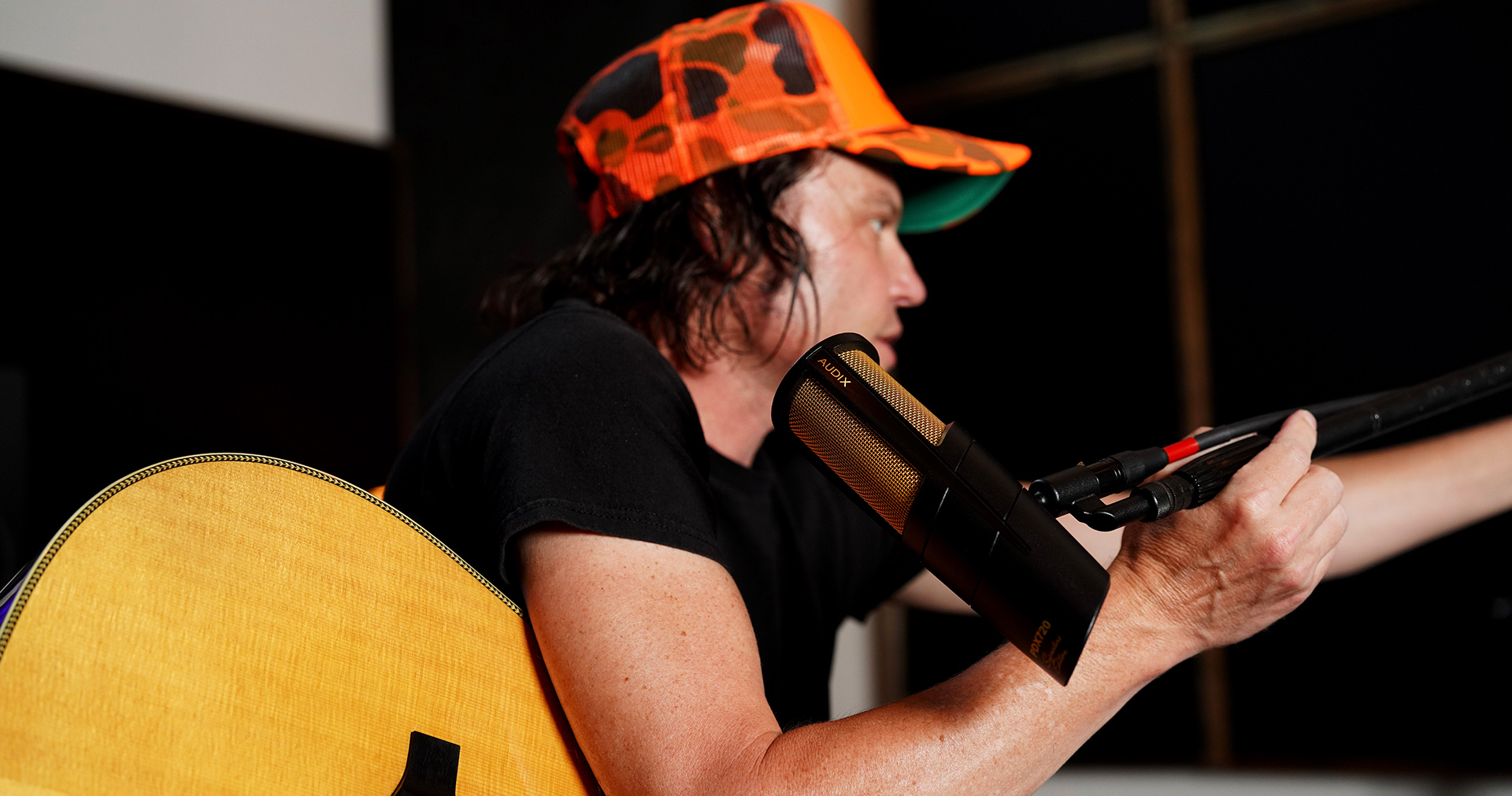
For more intimate and acoustic shows, Jet swaps in the VX5, a condenser mic in a handheld, performance-oriented form factor. “With a dynamic mic like the OM5, you’re going to capture the source best six inches or less in front of the mic, and then it starts to give way by design,” he explains. “With the VX5 it picks up more of the space so if I’m playing solo acoustic or with an ‘unplugged’ band and using in-ear monitors, I can get a little more of the room sound, which makes my mix sound more spacious and natural — and that’s more enjoyable to sing to. I can get more of a studio sound on stage. On a couple of songs on the new album, I also used the VX5 as a distant room mic.
Do you employ any AUDIX mics in the studio as well?
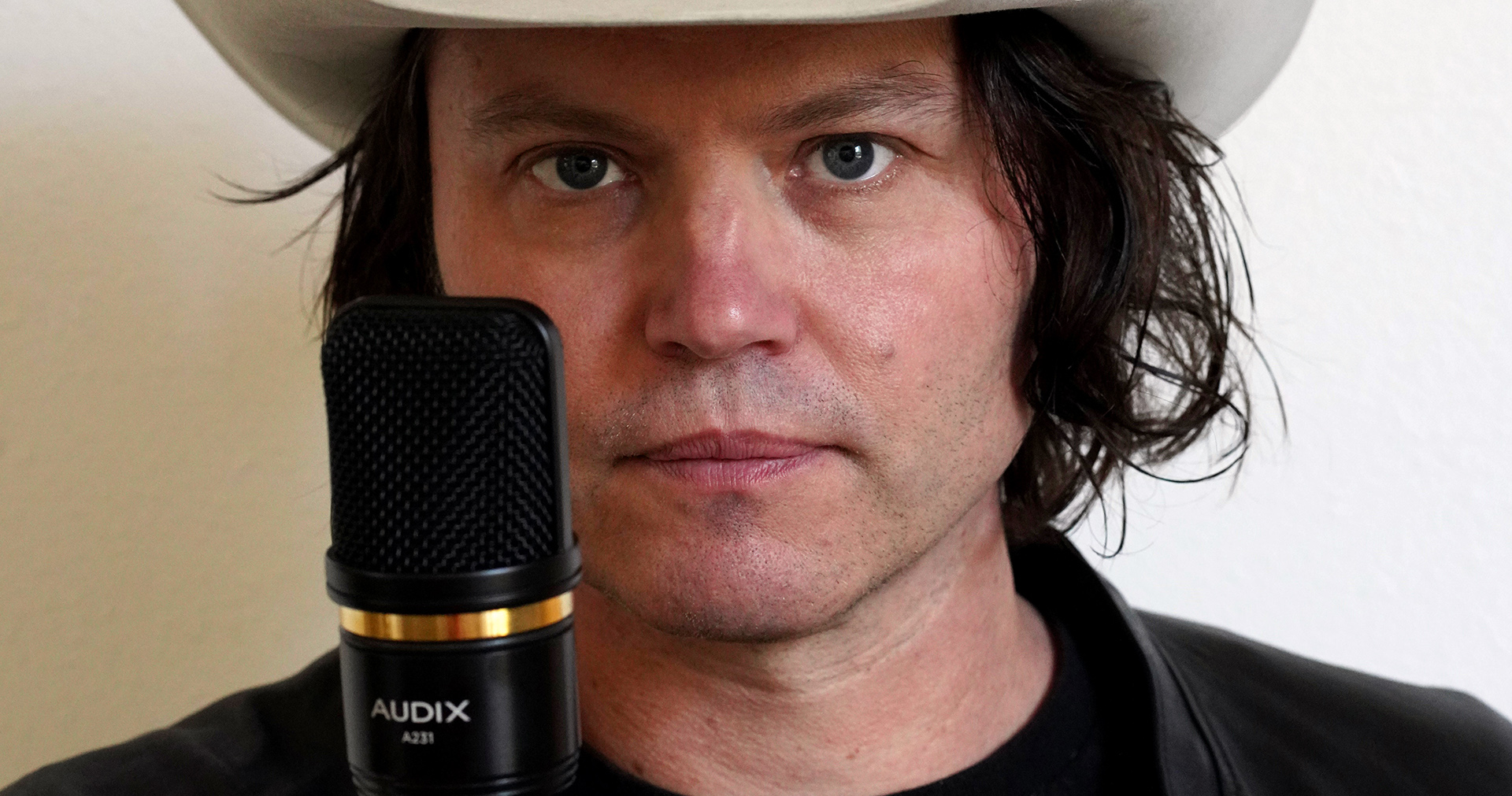
I’ve grown to love the studio mics as well. I have a new single coming out September 27 [2024] and I used the A231 condenser on it. It has been super versatile.
In what ways?
The A231 has a very flat frequency response without sounding dull, but it’s not overly bright either. It’s a well-balanced natural sounding condenser,” he observes. “I’ve used it on vocals and acoustic guitars, but also as overheads for a sort of Glyn Johns drum miking approach. The cymbals have presence but sound nice and warm, as opposed to that zingy sizzle you can get with a lot of other modern condenser mics. [The A231] also keeps the midrange nice and strong. It doesn’t give out when the snare is really cracking. Same with the vocal. If you hold a loud note on a really rockin’ song, it keeps it tight.
What about instrument mics?
I use the i5 on electric guitars and on the cabinets, and they sound killer. Also, on snare.
Have you been able to spend much time with the PDX720 yet?
You can drastically transform the character of that mic with the different filters that are on it — the low cut and mid boost. I found that when you don’t use either of the filters, it’s a really big sounding mic with a lot of low end. I’ve used it in that capacity outside the kick drum, in conjunction with a D6. I actually point the D6 right at the beater to capture the attack, then I take the drum head off and put the PDX in front. It gets a nice, pillowy sound with plenty of attack.
For vocals, on the other hand, I’ve found it best to use both filters on the PDX. The low cut doesn’t kill all your lows; it just cleans things up down there. Along with the first position of the mid boost, you get more of a “broadcast” sound, good for rock.
If you could go back and talk to your younger self when you were starting out as an artist, what would your advice be?
Challenge yourself. Always put yourself in a position where you have to do something you haven’t done before — where it makes you uncomfortable. That’s the best way to grow.